Behold A Pale Horse

Behold a Pale Horse is built around a progressive destabilization model where trust is established before its underlying assumptions are examined. Within this system, each signal represents a distinct condition of alignment, drift, fragmentation, or recognition. These conditions are not treated as characters or narrative events. They function as observable system states expressed through voice, repetition, perception, and control.
The voice operating throughout the node initially presents itself as a source of guidance. It reassures, calibrates, corrects, and preserves. As the sequence progresses, however, the reliability of that guidance becomes increasingly difficult to verify. What begins as stability gradually reveals itself as maintenance. What appears to be reassurance begins to resemble containment.
The node does not unfold through traditional storytelling. It operates through progressive reclassification. Each signal alters the listener’s understanding of the signals that came before it. By the end of the sequence, the distinction between source, observer, and participant becomes increasingly difficult to maintain.
SYSTEM BEHAVIOR
Each signal represents a specific stability condition within a larger feedback structure. Some signals establish trust. Others introduce drift, repetition, duplication, degradation, or collapse. Together, they form a continuous sequence that moves from certainty toward recognition.
The system initially encourages alignment. It presents itself as reliable, predictable, and complete. As inconsistencies emerge, the system attempts to preserve itself through repetition, containment, and reconstruction. Eventually those efforts fail, exposing the instability that had been accumulating beneath the surface.
Rather than resolving the disruption, the node ultimately reframes it. The final signals shift attention away from the system itself and toward the relationship between the signal and the listener. What appeared to be an external process becomes increasingly internal.
SIGNAL PROGRESSION
The node follows a structured destabilization cycle:
Alignment is established
Drift becomes detectable
Patterns become reinforced
Identity begins to divide
Comfort becomes containment
Structure begins to fail
Reference points disappear
Source and observer converge
The cycle remains active
Each stage corresponds to a distinct system condition expressed through individual signals:
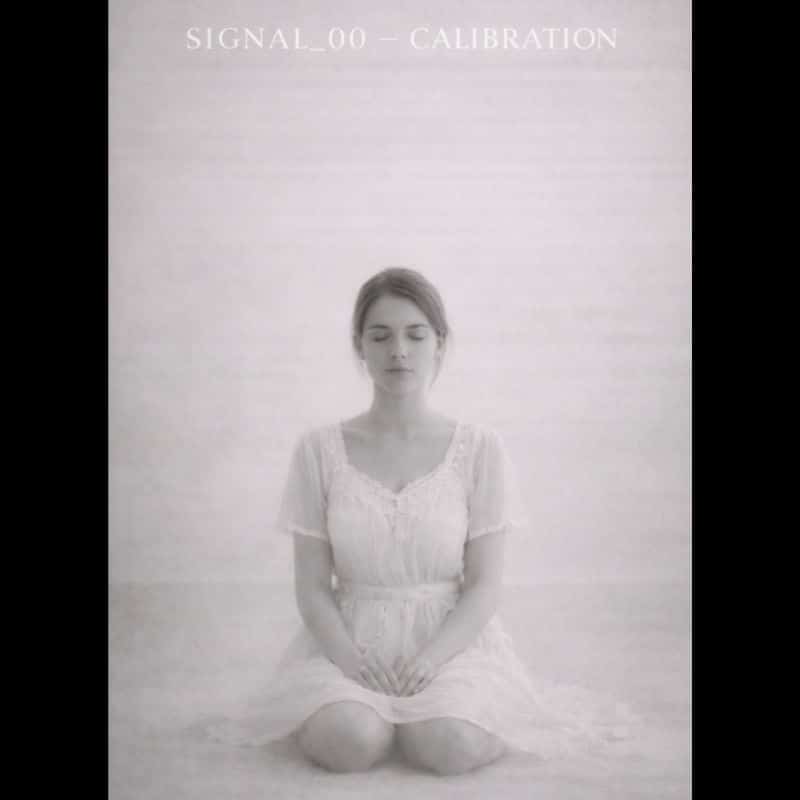
Calibration → stable reference state
Offset → initial misalignment
Pattern Hold → reinforced repetition
Duplicate → identity divergence
False Resolution → artificial stability
Corruption → structural breakdown
Null Field → absence of reference
Internal Shift → source recognition
Unresolved → active recurrence
By the final signal, the system has not been repaired, defeated, or escaped.
It remains active.
The listener simply understands it differently.