Signal Playback
Signal Data
Lyrics
Intro
wait…
something changed
Verse 1
it was holding
i know it was
(i checked it twice)
it felt the same
for a second
(for a second…)
Pre-Chorus
don’t move yet
it might come back
just give it a moment
(i’m fixing it)
Chorus
it’s slipping now
can you feel it
it’s not staying where i left it
i tried to keep it stable
(i tried… i almost…)
but something’s pulling it apart
Verse 2
there’s a gap here
there wasn’t before
(i don’t remember this)
if you stay close
it might still hold
(maybe it still holds…)
Bridge
don’t go there
don’t—
don’t go there
it doesn’t map correctly
(i can’t… align it)
Break
…
it’s not the same
Outro
stay with me
we can keep it from breaking
(soft glitch repeat)
breaking
breaking
Breaking
Signal Analysis
Corruption begins at the moment confidence fails. The opening does not introduce a new problem so much as acknowledge one that can no longer be ignored. Something has changed, and for the first time the signal is unable to conceal it. Previous attempts at stabilization remain present, but they no longer produce reliable results.
The verses are built around verification. The speaker repeatedly references prior checks, remembered states, and expected outcomes. None of them hold. Familiar conditions appear briefly before deteriorating again, creating the sensation of a system struggling to maintain integrity as underlying structures continue to fail.
Throughout the signal, language shifts from observation toward intervention. Instructions become more urgent. Reassurances become less convincing. Repeated attempts to preserve alignment reveal that the speaker is no longer documenting events from a position of control but reacting to an accelerating breakdown.
The bridge marks the signal’s most significant escalation. Areas of the environment are no longer merely unstable – they have become inaccessible. Navigation fails. Mapping fails. Alignment itself becomes impossible. The system recognizes the corruption but lacks the ability to isolate or contain it.
By the outro, preservation has replaced certainty as the primary objective. The request to remain close is no longer reassurance. It is an attempt to prevent further collapse. The repeating final word functions like a signal trapped within its own degradation, looping as the structure beneath it continues to fragment.
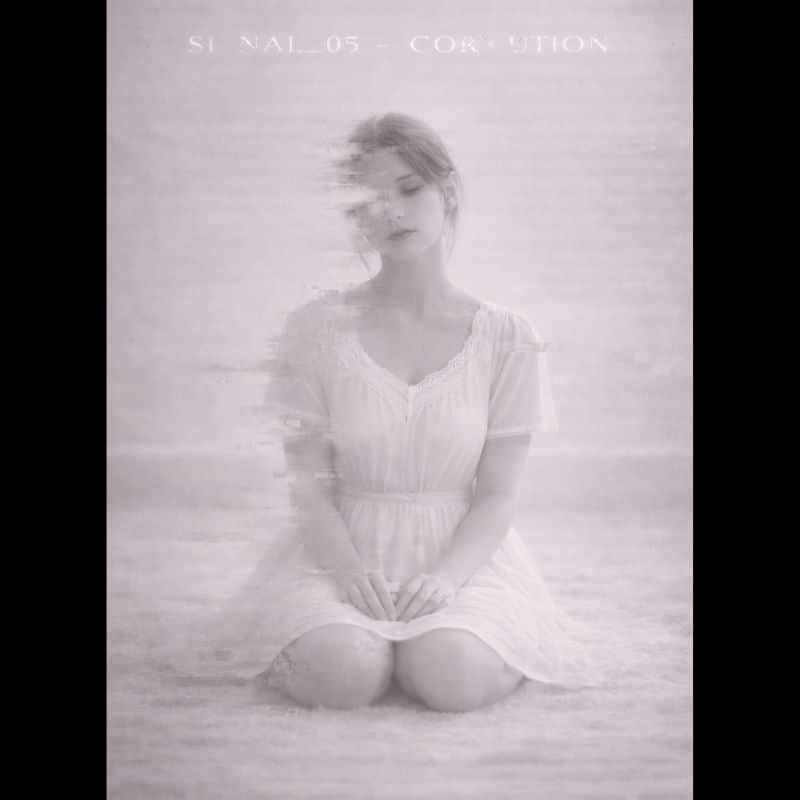
Corruption serves as the node’s first undeniable failure state. Stability is no longer being questioned, replicated, or artificially maintained. It is actively breaking apart in real time.